


What Is Your Dream Project?
Woodworkers, especially the weekend variety, spend a lot of time dreaming about things they want to build. When pivot tables, ROI graphs, split testing, and web analytics start to make my eyes cross, I often daydream of the next project on my list or sometimes that “dream” project. We all have our bucket lists and usually there is something on it somewhere near the bottom, way off into the future that is the the “end all be all” project.
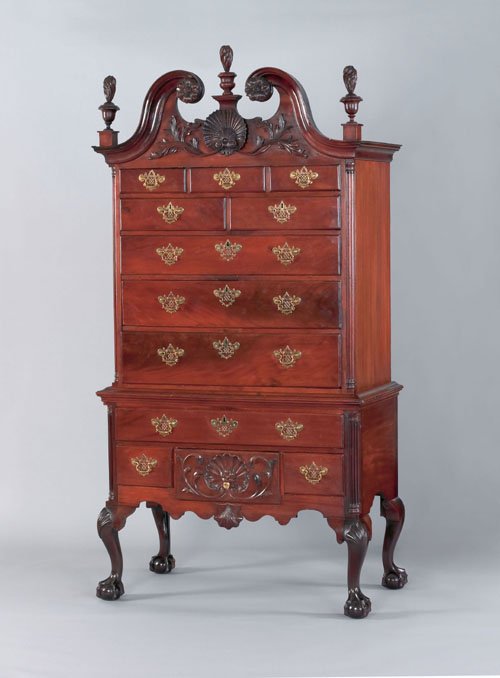
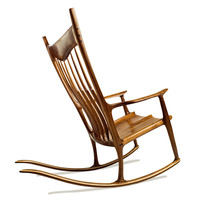 Many cite a Maloof style rocker or a Philadelphia Highboy, or a Greene and Greene masterpiece. For one reason or another that project calls to you but you have no intention of tackling it any time soon. For most it is a feeling that more experience and skill is needed before such a monumental project can be tackled.
I’m in the middle of producing a lesson for The Hand Tool School about designing a workbench to meet not only your needs today but your needs 10-20 years from now. It got me thinking about my own bucket list and why I have placed my dream projects in the order they are. I have all manner of 18th century pieces from side chairs to highboys on the list and I too have a Maloof style rocker floating out there to be built. Wait a minute, I was planning on building a Maloof (or Brock) style rocker later this year! Did I suddenly get more experienced? Did I sleep through my 40s and now suddenly I’m a “master” craftsman?
As I began to break down these hallowed projects into steps and think about how my bench would handle them the realization came to me that it is not a lack of skill that keeps me from building these dream projects at all.
 Don’t misunderstand this statement. Some of these bucket list project will be very difficult and my current skill level will be tested. It isn’t a matter of being an “expert” or a “master” as I firmly believe we can all build just about anything with patience and the ability to recover from mistakes. These far off projects are just a series of steps that we already know how to do. Maybe they have more detail or contain more intricate parts but when you take them apart it is the same series of steps that go into that Shaker table you just built. The internet has opened up this ancient craft to the masses and now what was once hidden is just a Google search away. So it should never be a question of not knowing how something is built.
I used to think ball and claw feet were the epitome of advance woodworking. Then I sucked it up and gave it a try only to discover the process is much like a connect the dots drawing. My first foot wasn’t perfect but it looked really good. Moreover I have continued to peck at it from time to time and now it looks even better as I have smoothed out some issues with the shape of the ball and cleaned up some rough spots. Now months later, I think I can claim 11 ball and claw feet made. Hardly does that make me a master but I think I can make a pretty foot now. I’m pretty sure the same thing applies to other “master” level skills. It may take some practice runs or months of refining and picking over a foot to get it right but you get it done.
So what holds us back?
Time?
Money?
Space to build it?
Space to put the finished project?
Impatience?
Fear of failure?
Fear of failure in a highly public setting like a podcast? (okay maybe this one is just my issue)
I think any of the above could be valid answers. I also think that is is okay to have excuses that prevent us from building these advanced projects. Building confidence with smaller, faster built projects is a great way to go, but I really have a hard time claiming that a lack of skill is what holds me back any more. That’s pretty exciting actually!
What’s on your bucket list and what is holding you back?
